Coffee During Pregnancy: Dark Urine and Hydration Tips
Quick Answer
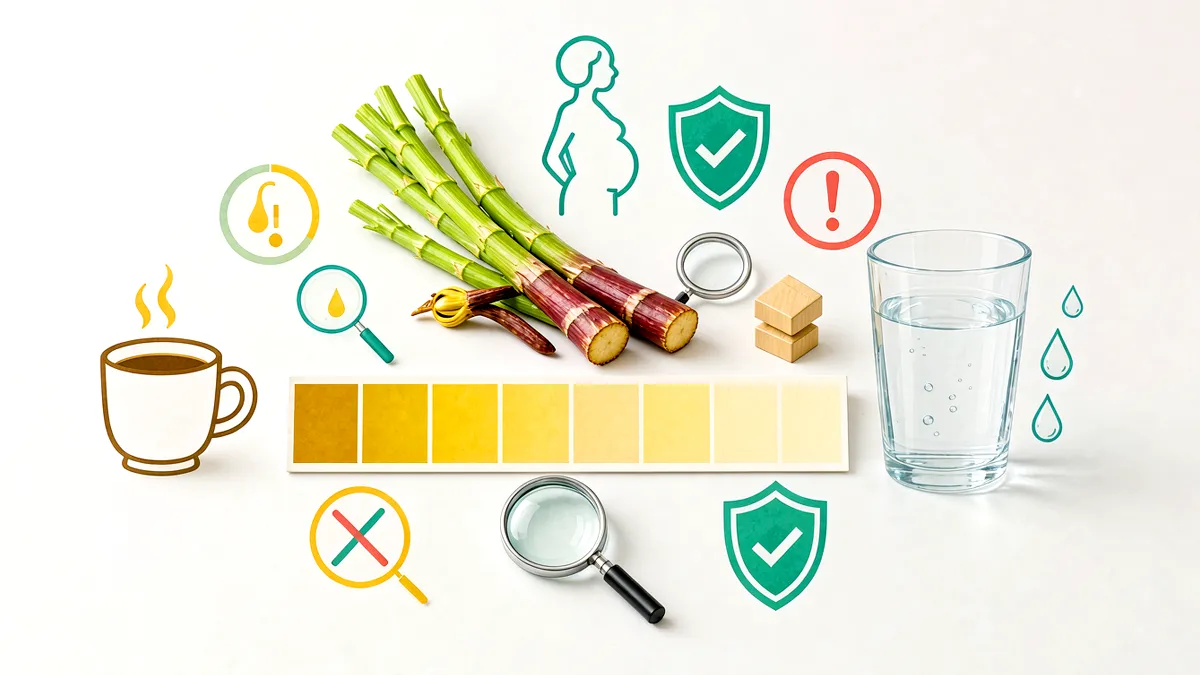
Coffee can make urine darker during pregnancy, but the effect is indirect. Caffeine has a mild diuretic effect—it increases urine output. If you do not replace that fluid with water, urine becomes more concentrated and looks darker. Coffee is not a pigment that dyes urine; it is a fluid-balance issue.
Pregnancy raises your fluid needs, so it is easier to fall behind. The practical approach is to pair each cup of coffee with a glass of water, keep total caffeine within the recommended limit, and check whether the color lightens after drinking water. Most pregnancy guidance suggests no more than 200 mg of caffeine per day, which is roughly one 12-ounce cup of brewed coffee. The color becomes a reason to call your provider when it stays dark despite fluids, or comes with dizziness, very little urine output, or vomiting. Use the coffee urine guide to compare the effect, and read on for how to tell dehydration from other causes.
Why Coffee Can Darken Urine
Urine gets its yellow tint from urochrome, a pigment produced when your body breaks down old red blood cells. Water dilutes that pigment. When fluid intake drops or urine output rises without replacement, the pigment becomes more concentrated and the color deepens.
Caffeine affects that balance in two ways:
- Mild diuresis. Caffeine increases blood flow to the kidneys and reduces sodium reabsorption, which increases urine output. The effect is strongest at higher doses and in people who are not used to caffeine.
- Fluid displacement. If coffee replaces water rather than supplementing it, total fluid intake may be too low—especially in heat, during activity, or when pregnancy nausea limits drinking.
Coffee itself is mostly water, so moderate intake counts toward hydration. The problem arises when coffee is the main beverage and water intake is low. The dehydration guide explains how fluid balance works and how quickly color should recover.
How Much Caffeine Is Considered Safe in Pregnancy
The commonly cited limit is 200 mg of caffeine per day during pregnancy. That is roughly:
- One 12-ounce cup of brewed coffee (about 120–200 mg, depending on strength).
- Two to three 8-ounce cups of black tea (about 40–60 mg each).
- One 12-ounce cola (about 30–40 mg) plus a small coffee.
Caffeine is also found in chocolate, some sodas, energy drinks, and certain medications. Energy drinks are not recommended in pregnancy for other reasons as well. If you are unsure of your total intake, count all sources, not just coffee.
The 200 mg limit is a general guide, not a personal prescription. If you have a history of miscarriage, growth restriction, or other pregnancy complications, ask your provider whether a lower limit is appropriate for you.
How to Tell Dehydration From Other Causes
Dark urine after coffee is usually dehydration or concentration. But not all dark urine fits that story.
Clues that point to dehydration:
- The color is dark yellow or amber, not brown or cola-colored.
- It lightens after you drink water, usually within an hour or two.
- You feel thirsty, headachy, or lightheaded.
- You have been drinking coffee instead of water, or sweating in heat.
Clues that point to something else:
- Brown or tea-colored urine that does not clear with fluids—possible liver or bile duct problem.
- Red or pink urine that is not clearly from food or medication—possible blood.
- Cloudy urine with burning, urgency, or fever—possible urinary tract infection.
- Persistent dark urine despite good hydration—possible kidney concentrating problem or other cause.
- Very little urine output, dizziness, or vomiting you cannot keep up with.
If the color lightens with water and you feel well, dehydration was the likely driver. If it does not, or if any of the other signs are present, contact your provider. The pregnancy urine guide covers the broader range of color changes across trimesters.
How to Stay Hydrated With Coffee in Pregnancy
You do not need to give up coffee entirely if you stay within the caffeine limit. Practical habits:
- Pair each cup with a glass of water. This offsets the diuretic effect and keeps total fluid intake balanced.
- Drink water first thing in the morning before coffee, especially if your morning urine is dark.
- Check your urine after your first drink of the day. If it is still dark amber, drink more water before your next coffee.
- Increase water in heat, during activity, and when nauseated. Pregnancy raises fluid needs, and vomiting or heat increases losses.
- Do not chase completely clear urine. Pale yellow is the target, not colorless. The pale yellow urine guide explains why.
- Count all caffeine sources. Tea, chocolate, soda, and some medications add to the total.
When to Call Your Provider
Contact your OB or midwife if any of the following applies:
- Dark yellow or amber urine persists for more than a day despite drinking adequate fluids, including water alongside coffee.
- Brown or tea-colored urine appears and does not clear with hydration.
- You have pain, fever, chills, burning, or urgency when you urinate.
- You see red, pink, or smoky urine that is not clearly from food or medication.
- You feel dizzy, weak, lightheaded, or confused, or your heart is racing.
- You are passing very little urine, or you have not urinated in many hours.
- Vomiting prevents you from keeping fluids down.
- You are unsure whether your total caffeine intake is within the recommended limit.
A simple urinalysis can check for infection, bilirubin, protein, and other markers, and turn a color question into an answer. If you are unsure whether your shade is concerning, compare it against a urine color chart and bring the pattern—coffee intake, water intake, urine color, and symptoms—to your provider.
The Bottom Line
Coffee during pregnancy can darken urine through mild dehydration, not direct pigment. The fix is simple: pair coffee with water, stay within the 200 mg caffeine limit, and check whether the color lightens after drinking. Dark yellow or amber urine that improves with fluids is ordinary concentration. Dark urine that persists despite hydration, turns brown, or comes with pain, fever, dizziness, or very low urine output is a reason to call your provider. Coffee is not the villain here—dehydration is, and it is easy to correct.