Hibiscus Tea During Pregnancy: Urine Color and Safety
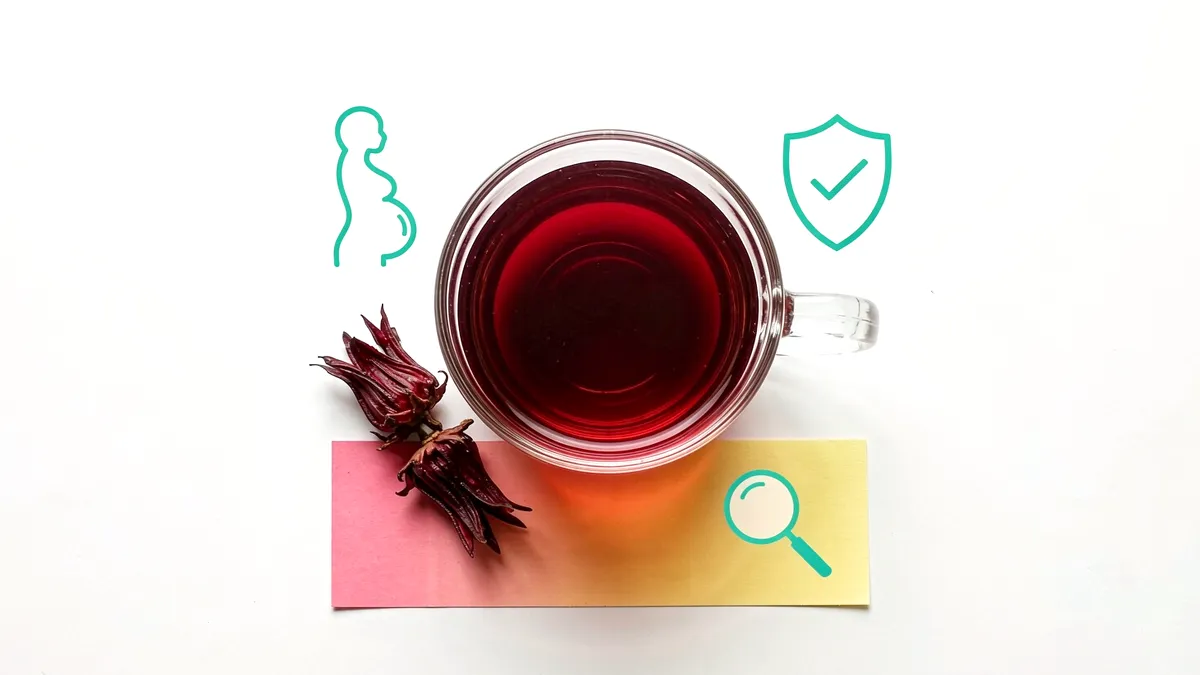
Quick Answer
Hibiscus tea can turn urine pink or red, and the color is a harmless pigment effect—but whether the tea itself is safe in pregnancy is a separate question with a less settled answer. The color comes from anthocyanins, the water-soluble pigments that give hibiscus its ruby hue. Some are absorbed and excreted in urine, tinting it for a few hours to a day. That part is not in doubt.
The safety part is more nuanced. A small Phase I pilot trial in second-trimester pregnant women found a ground-calyx hibiscus beverage was acceptable and well tolerated over four weeks, with no significant changes in blood pressure or metabolic markers. But animal studies using high-dose hibiscus extract have reported cytotoxic and genotoxic signals in mothers and newborns, and several clinical references advise against hibiscus during pregnancy until more is known. The practical position: occasional culinary amounts are likely low-risk, but concentrated extracts and daily therapeutic intake should be discussed with your OB before use.
If you drink hibiscus tea and notice pink urine, the color itself is not a reason to panic. If the color persists beyond a day or two without tea, or comes with pain, fever, or burning, get it checked. Use the hibiscus urine guide to compare the color effect, and read on for the safety evidence and what to ask your provider.
Why Hibiscus Tea Turns Urine Pink
Hibiscus tea is made from the dried calyces of Hibiscus sabdariffa, which are rich in anthocyanins. These pigments are water-soluble, so a portion survives digestion, enters the bloodstream, and is filtered by the kidneys into urine. The result is a pink, red, or reddish-brown tint that appears within a few hours of drinking and clears as the pigments are excreted.
The effect is the same mechanism as beeturia and berry-colored urine. It is not blood, and it does not mean the tea is harming your kidneys. A pharmacokinetic study found that urinary excretion of hibiscus anthocyanins peaks around 1.5 to 2 hours after intake, and most of the visible color clears within a few hours to a day. Heavy intake over several cups can stretch the tint closer to 24 to 48 hours. The pink or red urine guide covers the full range of food and medical causes.
One practical note: hibiscus tea has a mild diuretic effect, meaning it increases urine output. If you are not replacing that fluid with water, urine can become more concentrated, which makes any pigment—and any dehydration—more visible. The dehydration guide explains how concentration affects color.
The Safety Evidence: What Is Known and What Is Not
The safety picture for hibiscus in pregnancy is not black and white. It depends on the dose, the form, and the individual.
The Reassuring Evidence
A Phase I pilot trial published in 2025 evaluated a ground-calyx Hibiscus sabdariffa beverage in 10 women in their second trimester (14–28 weeks). The beverage provided 9.6 mg of total anthocyanins per day and was consumed for four weeks. The study found the drink was acceptable and well tolerated. Blood pressure, plasma glucose, cholesterol, triglycerides, and creatinine did not change significantly, and urinary protein levels remained stable. No participant developed increased blood pressure. The authors concluded that the beverage demonstrated acceptability and tolerability, while noting the small sample size and short duration as limitations.
This is meaningful because it is one of the few studies done specifically in pregnant women, rather than extrapolated from other populations. It suggests that a modest, food-like dose of hibiscus is unlikely to cause acute harm in healthy pregnant women with normal blood pressure.
The Cautionary Evidence
Not all the evidence is reassuring. An animal study in pregnant rats tested a hydroalcoholic extract of hibiscus dried calyces at doses of 500, 1,000, and 2,000 mg/kg during the final days of gestation. The extract induced myelosuppression in the mothers and genotoxicity in their newborns, along with cytotoxicity evidenced by increased malondialdehyde (MDA) levels in maternal serum, liver, and kidneys, and in neonatal liver, kidneys, brain, and muscle tissues. The authors concluded that hibiscus use should be recommended only under the supervision of a qualified healthcare professional.
This does not mean a cup of hibiscus tea is dangerous. The doses and the extract form are far from typical dietary intake. But it does mean that concentrated extracts and high-dose supplements are not equivalent to a mild infusion, and they warrant more caution.
Where Clinical Guidance Lands
Several clinical references take a conservative position. One major medical resource states that hibiscus is not recommended during pregnancy and lactation until more is known. Another advises avoiding hibiscus tea during pregnancy and breastfeeding without medical advice. These positions reflect the absence of large, long-term safety trials, not evidence of harm at culinary doses.
The reasonable synthesis: a small, occasional cup of hibiscus tea is unlikely to be harmful for a healthy pregnant woman with normal blood pressure. Daily therapeutic intake, concentrated extracts, and hibiscus-based supplements should be discussed with your OB or midwife first, especially if you have low blood pressure, kidney problems, or a history of complications.
What About the Aluminum Question?
One specific caution appears in the literature: hibiscus infusions have been shown to increase urinary aluminum levels in some individuals. The concern is that pregnant women and people with kidney problems may be more sensitive to aluminum accumulation, and the advice is to be cautious with excessive consumption of hibiscus infusion or fruit teas containing hibiscus. This is not a reason to avoid a single cup, but it is a reason not to treat hibiscus tea as a daily hydration staple throughout pregnancy without discussing it with your provider.
When to Call Your Provider
Contact your OB or midwife if any of the following applies:
- Pink or red urine persists beyond 48 hours after stopping hibiscus tea.
- You have pain, fever, chills, burning, or urgency when you urinate.
- You see blood clots or smoky-brown urine, rather than a uniform pink tint.
- You feel dizzy, weak, or lightheaded, or you are passing very little urine—possible dehydration from the tea's diuretic effect.
- You have low blood pressure or take blood pressure medication, and you are considering regular hibiscus intake.
- You have kidney problems and are considering regular hibiscus intake.
- You are considering a hibiscus extract or supplement, rather than an occasional cup of tea.
- Red urine recurs without a drink explanation, even if each episode clears on its own.
A simple urinalysis can confirm whether blood is present or whether the color is pigment alone. If you are unsure whether your red urine is drink-related, compare it against a urine color chart and bring the pattern—color, timing, and hibiscus intake—to your provider. The pregnancy urine guide covers the broader range of color changes across trimesters.
The Bottom Line
Hibiscus tea turns urine pink through anthocyanins, and that color is a harmless pigment effect that clears within hours to a day. The safety question is separate and less settled: a small pilot trial in second-trimester women found a modest hibiscus beverage well tolerated, but animal data at high extract doses and conservative clinical guidance advise caution. The practical approach for pregnancy is occasional culinary use, not daily therapeutic intake, and a conversation with your OB before using extracts or supplements. If the color persists, comes with symptoms, or you are unsure, check in. The color itself is rarely the concern—the dose and the form are what matter.