Fava Beans and Red vs. Brown Urine: What Color Means
Quick Answer
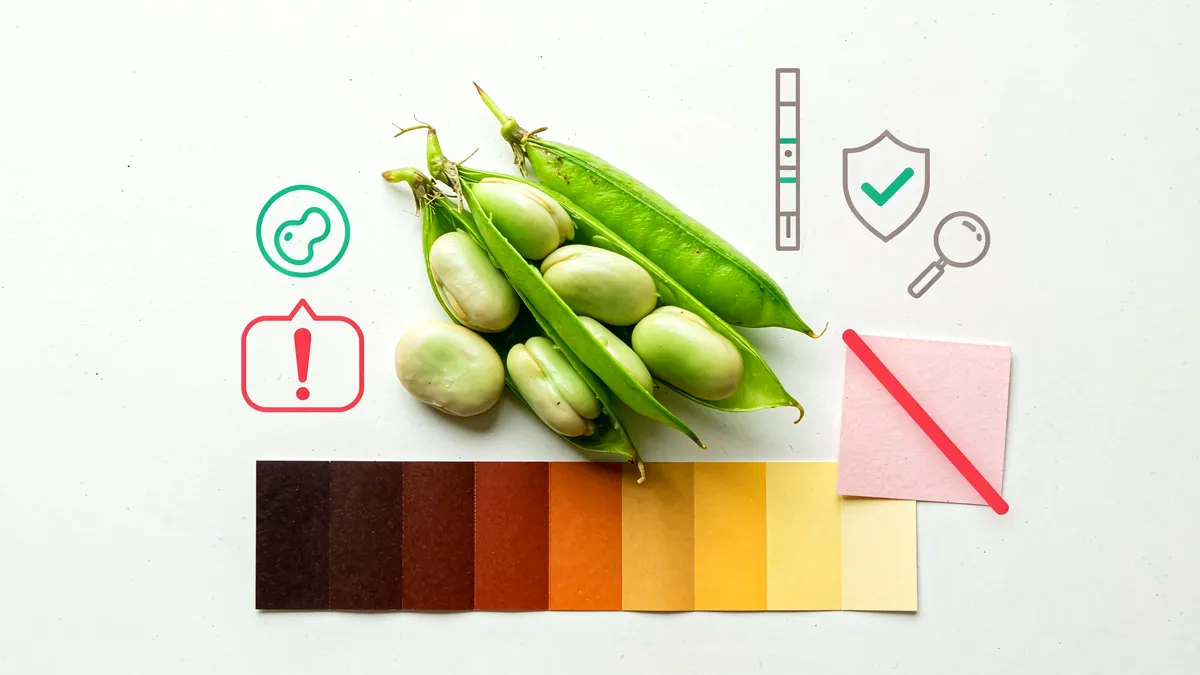
Fava beans turn urine brown or cola-colored, not red. The color comes from hemoglobin released when red blood cells break apart—a process called hemolysis. In people with G6PD deficiency, eating fava beans can trigger a severe hemolytic episode known as favism, and the resulting urine is described as dark brown, tea-colored, or cola-colored.
Red or pink urine is not the typical fava bean signature. Fava beans do not contain the red pigments found in beets or berries, so they do not turn urine pink through a food-dye mechanism. If your urine is red after eating fava beans, the more likely explanations are a separate food pigment, a medication, or true blood in the urine—and blood in urine always deserves a test.
The distinction matters because the two colors point in different directions. Brown urine after fava beans raises the question of favism and needs urgent evaluation if it comes with pallor, jaundice, fatigue, or a racing heart. Red urine raises the question of blood or food pigment and needs a dipstick. Use the fava bean urine guide to compare your pattern, and read on for what each color actually says.
Why Fava Beans Turn Urine Brown
Fava beans contain compounds called vicine and convicine that generate oxidative stress in red blood cells. In most people, red cells neutralize that stress without difficulty. In people with G6PD deficiency—an inherited enzyme deficiency—red cells cannot, and they break apart prematurely.
When red blood cells break down inside blood vessels, they release hemoglobin into the bloodstream. The kidneys filter hemoglobin into urine, producing hemoglobinuria. The color is not the bright red of fresh blood; it is the dark brown, cola-colored, or tea-colored shade of oxidized hemoglobin. That is the color that should prompt concern after fava bean exposure.
Favism is more common and more severe in children than in adults, particularly in boys. Symptoms typically begin 6 to 24 hours after eating fava beans, though the range can extend from a few hours to several days. The brown urine guide covers the full range of causes for cola-colored urine.
Why Red Urine Is Not the Fava Bean Signature
Fava beans are not a source of red food pigment. Unlike beets, which contain betanin, or berries, which contain anthocyanins, fava beans do not carry pigments that survive digestion and tint urine pink or red. That is the key point: fava beans turn urine brown, not red.
If you ate fava beans and your urine is red or pink, consider other explanations:
- Other foods: beets, blackberries, rhubarb, or artificial red dyes eaten around the same time.
- Medications: rifampin and phenazopyridine can turn urine orange or red-orange.
- True hematuria: blood in urine from a urinary tract infection, a stone, or another urinary tract problem. Blood in urine can look red, pink, or smoky-brown, and it can be painless.
- Menstrual blood mixing with urine, if applicable.
None of these are caused by the fava beans themselves. They are separate explanations that happen to coincide with the meal. The pink or red urine guide covers the full range of causes for red-colored urine.
What the Color Says: Brown vs. Red
The two colors carry different meanings and different urgency.
Brown or cola-colored urine after fava beans:
- What it suggests: hemoglobinuria from hemolysis—possible favism.
- What travels with it: pallor, jaundice, sudden fatigue, weakness, shortness of breath, a racing heart, back or abdominal pain, fever.
- Urgency: High. Favism can progress to severe anemia and acute kidney injury, and some children require blood transfusion.
- What to do: Seek urgent care, especially if the color persists or comes with any of the symptoms above. Do not wait for it to clear.
Red or pink urine after fava beans:
- What it suggests: most likely a separate food pigment or medication, or true blood in the urine.
- What travels with it: if blood is present, possible burning, urgency, fever, flank pain, or no symptoms at all.
- Urgency: Moderate to high, depending on symptoms. Red urine that is not clearly food-related should be checked, even once.
- What to do: Review recent foods and medications. If the color is not clearly explained, or persists beyond a day or two, get a urine dipstick.
The practical rule: brown after fava beans is the color that signals favism and needs urgent care. Red after fava beans is usually something else, and it needs a urine test to rule out blood.
How Long the Color Lasts
Favism-related brown urine does not follow a simple food timeline. It appears hours to days after the beans and can persist or worsen over one to three days as hemolysis continues. It does not correct with drinking water, because the color comes from hemoglobin, not concentration.
Food-pigment red urine from other sources follows a predictable timeline: it appears within hours of eating the culprit and clears within 24 to 48 hours as the pigment is excreted.
True hematuria does not follow a food timeline at all. It may clear on its own, especially with a mild infection, but it can also persist or recur. If red urine lasts beyond two days and is not clearly food-related, that is the point to arrange a urinalysis.
When to Seek Care
Seek urgent care if any of the following applies after eating fava beans:
- Dark brown, cola-colored, or black urine.
- Pallor or jaundice—pale skin, yellow eyes, or yellow skin.
- Sudden, severe fatigue, weakness, or unusual drowsiness.
- Shortness of breath, a racing heart, or fainting.
- Very little urine output, or no urination for many hours.
- Fever with any of the above symptoms.
Contact a healthcare provider promptly if:
- Red or pink urine appears without a clear food explanation, even once.
- Red urine persists beyond two days and is not explained by food or medication.
- You have pain, fever, burning, or urgency when you urinate.
- You have known G6PD deficiency and ate fava beans, even if symptoms seem mild at first.
- A child develops dark urine, pallor, or jaundice after eating fava beans.
A urine dipstick can distinguish hemoglobin from intact red blood cells, and blood tests can check for anemia and kidney function. If you are unsure whether your shade is concerning, the children's urine guide covers the pediatric pattern, and the urine color by cause section groups food, medication, and medical explanations.
The Bottom Line
Fava beans turn urine brown, not red. The brown color is hemoglobin from hemolysis, and in people with G6PD deficiency it can signal favism—a medical emergency that needs urgent care, especially when it comes with pallor, jaundice, fatigue, or a racing heart. Red or pink urine after fava beans is not the expected effect; it more likely comes from a separate food pigment, a medication, or true blood in the urine, and it deserves a urine test to rule out bleeding. If the color is brown and you feel unwell, seek care immediately. If it is red, test it. The color is not just a shade—it points to different problems and different next steps.