Can Fava Beans Turn Urine Dark?
Why It Happens
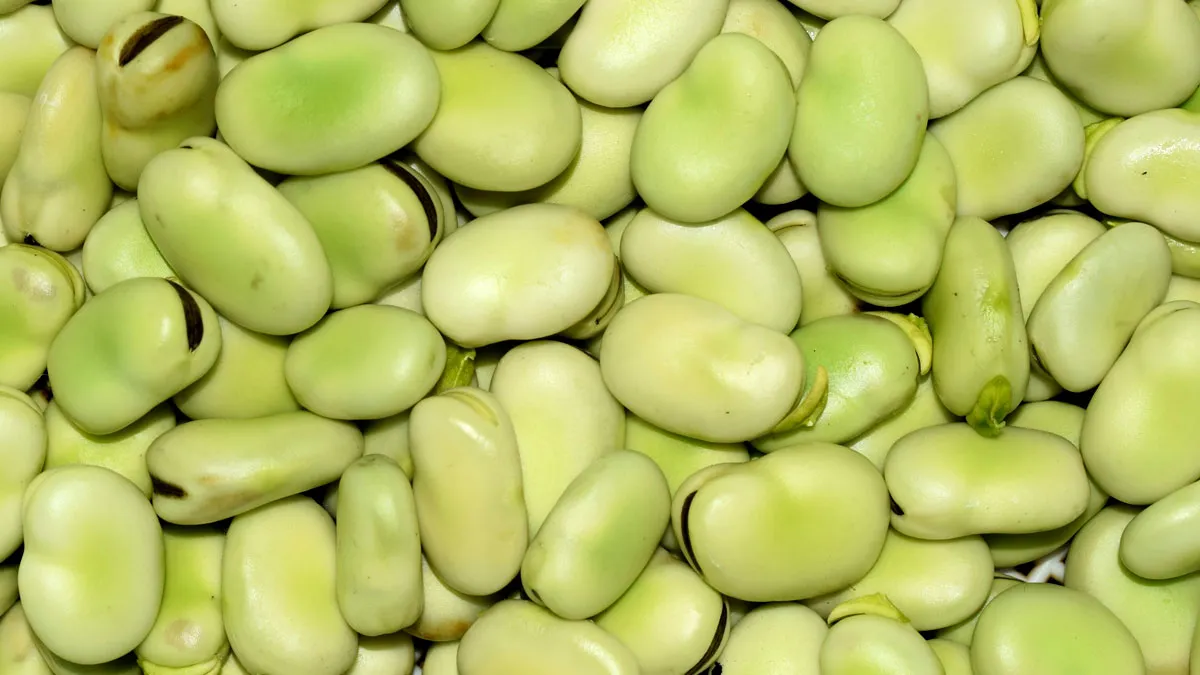
Fava beans (broad beans) contain compounds called vicine and convicine. In most people these are harmless. But in people with glucose-6-phosphate dehydrogenase (G6PD) deficiency, eating fava beans can trigger the breakdown of red blood cells (hemolysis). The released hemoglobin is filtered by the kidneys and turns urine dark brown or tea-coloured.
G6PD deficiency is a genetic condition more common in people of Mediterranean, African, and Middle Eastern descent. Many people with the condition do not know they have it. For people without G6PD deficiency, fava beans can still occasionally darken urine, but the effect is benign.
How Long It Lasts
Benign colour change from fava beans is temporary and clears within a day or two. In G6PD-related hemolysis, dark urine can last for several days and is accompanied by other symptoms such as tiredness, jaundice, or back pain. That situation needs medical attention.
How to Tell It Apart from Blood
- Colour. Fava-bean urine is typically dark brown or tea-coloured, not bright red. Blood can range from pink to dark red to brown.
- Symptoms. G6PD-related hemolysis often comes with tiredness, pale skin, jaundice, or back pain. Simple food pigmentation does not.
- Timing. Symptoms usually appear within 24 to 48 hours of eating fava beans in susceptible people.
- No clots. Pigment-related dark urine does not contain clots; blood may.
When to Worry
Seek urgent medical care if dark urine after eating fava beans is accompanied by tiredness, pale or yellow skin, back pain, fever, or a rapid heart rate. These can be signs of hemolysis. If you have known G6PD deficiency, avoid fava beans and seek advice before eating them.
Note: Colors may vary slightly depending on your screen settings. Use this chart as a general guide.