Can Aloe Turn Urine Dark Brown?
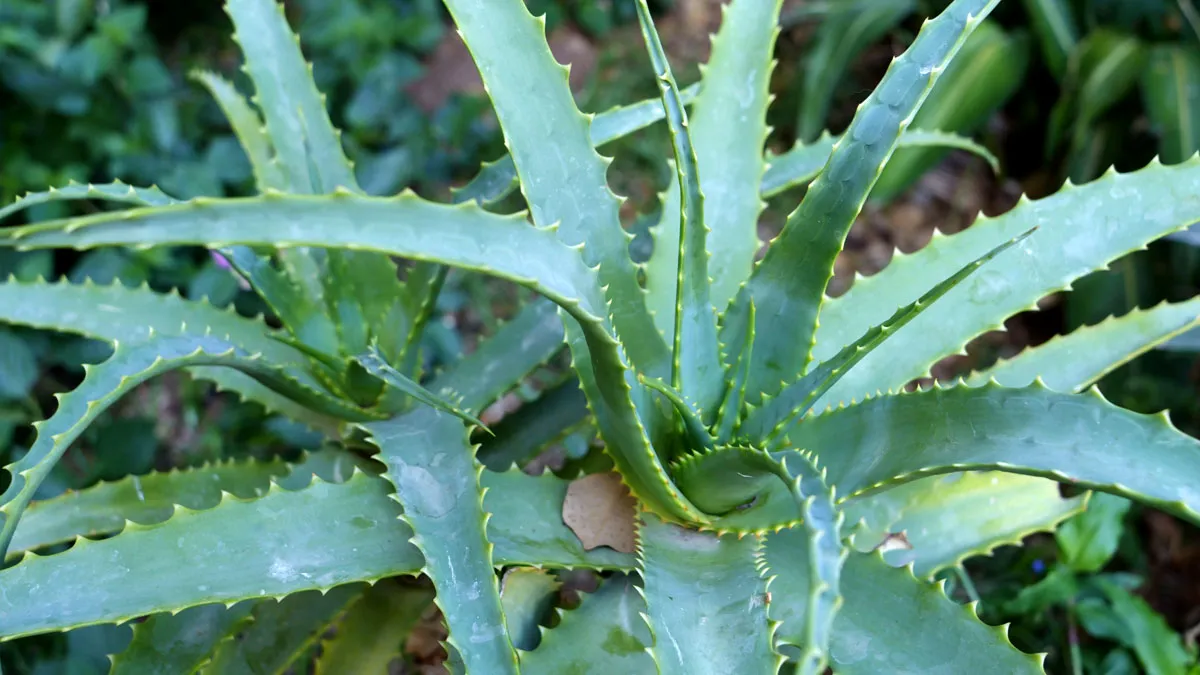
Why It Happens
Aloe contains anthraquinone compounds, including aloin, which have a laxative effect and can be excreted in urine. When these compounds are present in sufficient amounts, they can give urine a dark brown or reddish-brown tint.
This is a benign pigment effect and is distinct from the rare cases of aloe-induced kidney injury, which would typically be accompanied by other symptoms. The colour change alone is not a sign of kidney damage.
How Long It Lasts
The colour typically fades within a day or two after you stop consuming aloe. It is dose-dependent and more likely with large servings or concentrated aloe products.
How to Tell It Apart from Blood
- Colour. Aloe-related urine is brown or reddish-brown. Blood can also appear brown, but often has a more red or smoky quality.
- No clots. Aloe pigments do not form clots. Blood can.
- No urinary symptoms. There is no burning, urgency, or fever with aloe colouring. Blood from an infection or stone often comes with these.
- Timing. The colour follows aloe consumption. Unexplained brown urine needs evaluation.
When to Worry
Contact a doctor if brown urine persists more than a day or two after you stop consuming aloe, appears without aloe, or is accompanied by pain, fever, burning, reduced urine output, or swelling.
Note: Colors may vary slightly depending on your screen settings. Use this chart as a general guide.