Can Pumpkin Turn Urine Orange?
Why It Happens
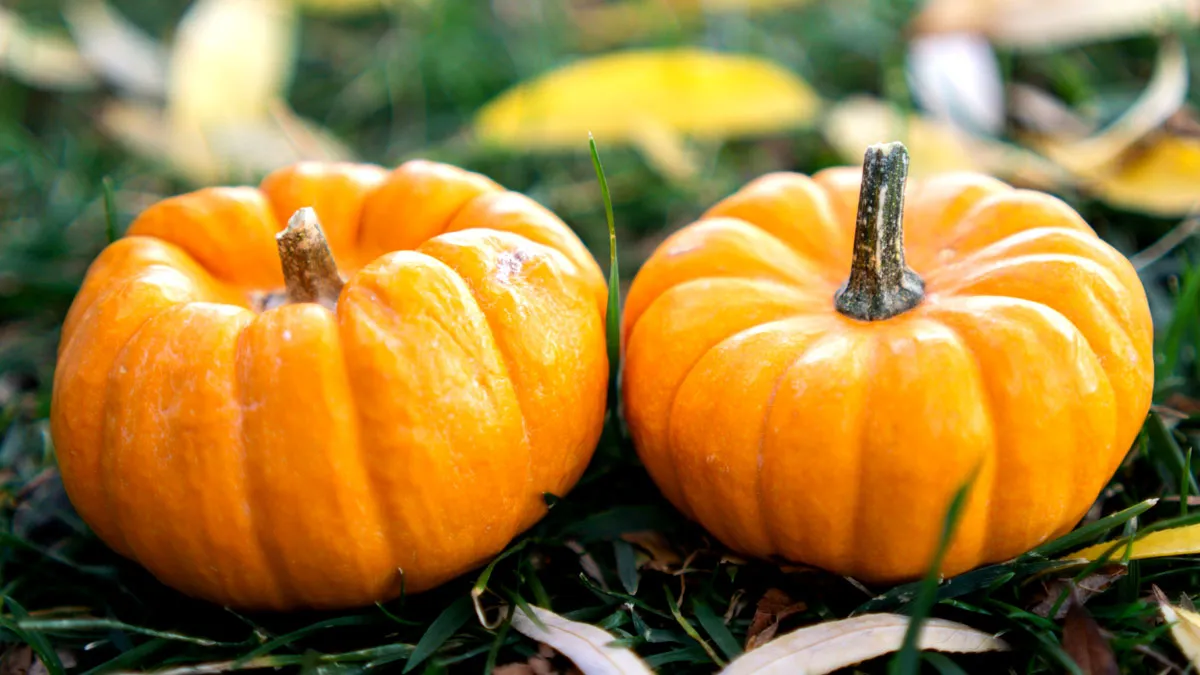
Pumpkin is rich in carotenoids, particularly beta-carotene, which give it its orange colour. When consumed in large quantities, some of these pigments are absorbed and excreted in urine, producing a mild orange tint.
This is a benign food-pigment effect, not a sign of liver or kidney disease. It is distinct from jaundice, which colours the eyes and skin.
How Long It Lasts
The colour fades within a day or two after you stop eating large amounts of pumpkin. It is dose-dependent and more noticeable with concentrated pumpkin products.
How to Tell It Apart from Blood
- Colour. Pumpkin urine is orange or yellow-orange, not red or pink.
- No clots. Carotenoid pigments do not clot. Blood can.
- No eye yellowing. Jaundice affects the whites of the eyes; pumpkin-related colour does not.
- Timing. The colour follows eating pumpkin. Unexplained orange urine needs checking.
When to Worry
See a doctor if orange urine persists after you stop eating pumpkin, or if it comes with yellowing of the eyes or skin, pale stools, or abdominal pain. Those can indicate liver or bile duct problems.
Note: Colors may vary slightly depending on your screen settings. Use this chart as a general guide.