Does Beetroot Turn Urine Red?
Why It Happens
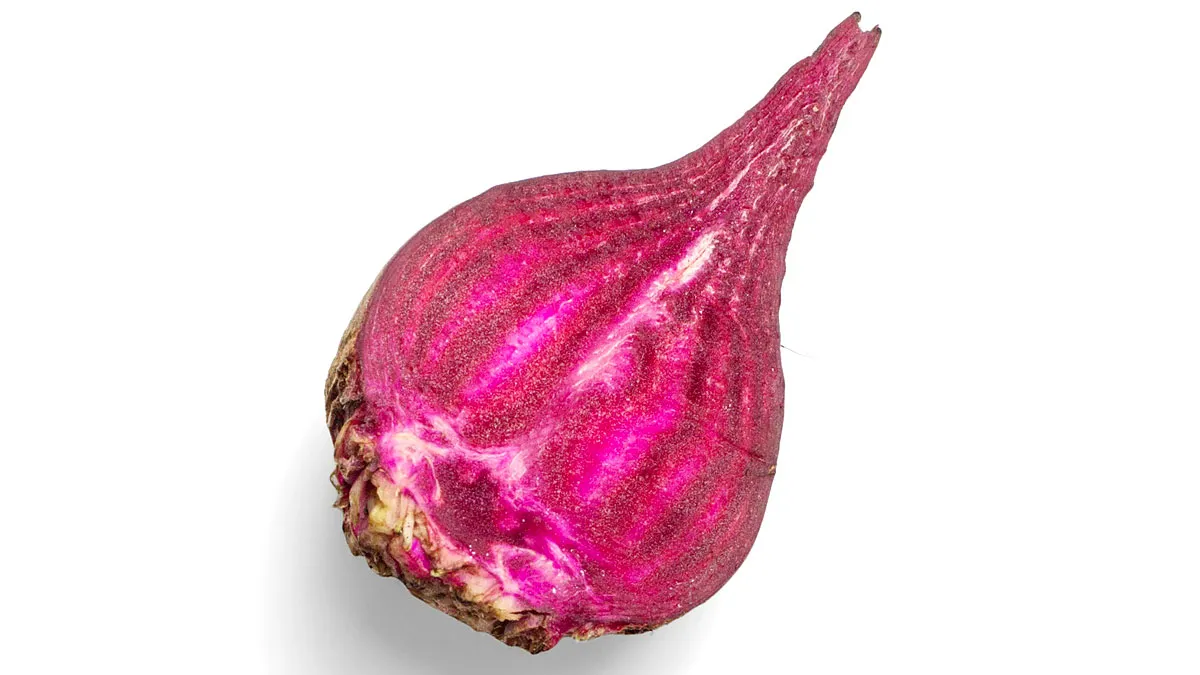
Beetroot contains deep red pigments called betalains, mainly betacyanins. In most people these are broken down in the gut before they reach the bloodstream. In a minority — estimates suggest roughly 10–14% of people — the pigments pass through the gut wall intact, travel through the blood, and are filtered out by the kidneys.
When that happens, the pigments leave the body in urine and give it a pink, red, or sometimes brownish tint. The effect is harmless and has its own name: beeturia. It is more common in people with iron deficiency or low stomach acid, but it is not a sign that anything is wrong.
How Long It Lasts
Pink or red urine from beetroot typically appears within a few hours of eating it and clears within one or two urinations once you stop eating it. In most people the colour is gone by the next morning.
If the tint is still there a full day after your last serving of beetroot, or if you have not eaten beetroot at all, it is not beeturia. Treat it as a possible sign of blood in the urine and follow the guidance in the next section.
How to Tell It Apart from Blood
- Colour tone. Beeturia is usually a uniform pink or rosy red. Blood tends to be darker, more brick-coloured, or streaked.
- Timing. Beeturia follows a meal. Blood appears at any time and often keeps returning.
- Clots. Blood can form small clots. Beeturia does not.
- Other symptoms. Blood in the urine often comes with pain in the back or side, burning when you urinate, or fever. Beeturia comes with none of these.
If you cannot tell the difference with confidence, treat the colour as blood until a doctor says otherwise.
When to Worry
Beeturia itself is harmless — you do not need to see a doctor for it. See one if the pink or red colour lasts more than a day after your last serving of beetroot, if it comes back without you eating beetroot, or if it comes with pain in your back or side, fever, burning when you urinate, or blood clots. Those point to blood in the urine, which needs to be looked at.
Note: Colors may vary slightly depending on your screen settings. Use this chart as a general guide.