Can Rhubarb Change Urine Color?
Why It Happens
Rhubarb contains chrysophanic acid (also called chrysophanol) and related anthraquinone compounds. When these are excreted in urine, they can impart a reddish-yellow to deep red colour, particularly if the urine is alkaline. In acidic urine, the colour may appear more yellow or brown.
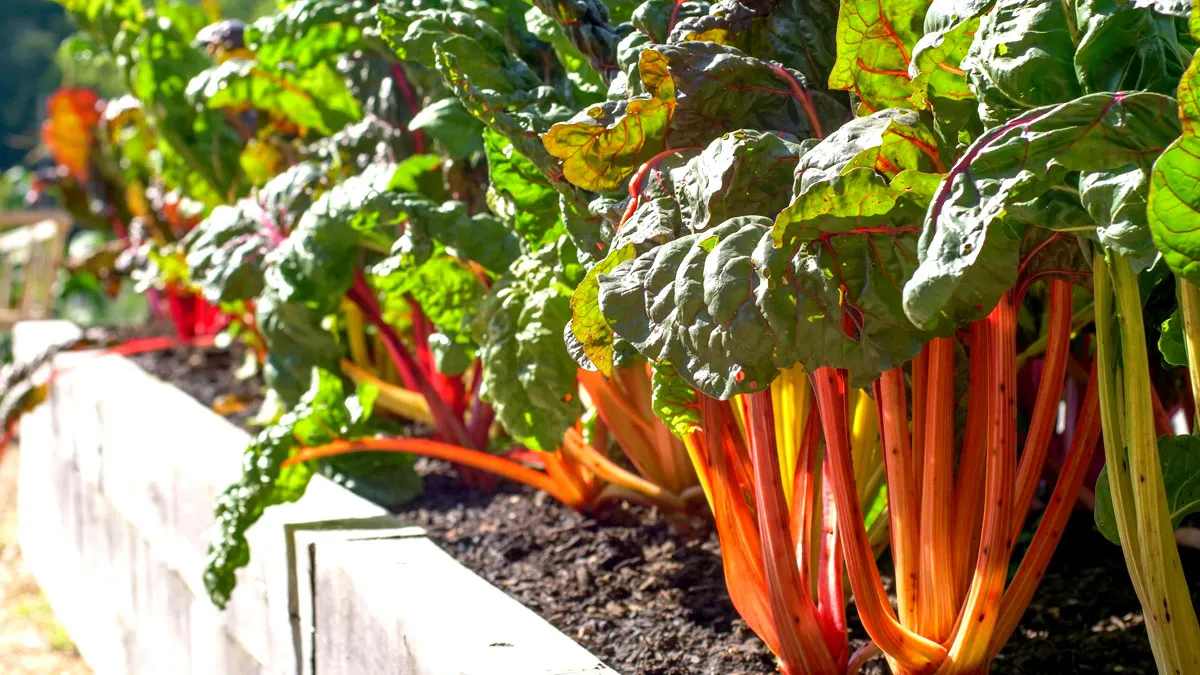
Rhubarb stalks are the part usually eaten; the leaves are not consumed due to their high oxalate content. The urine colour change from the stalks is benign.
How Long It Lasts
The colour change is temporary and typically resolves within a day or two after you stop eating rhubarb. It is dose-dependent, so larger servings are more likely to cause noticeable colour.
How to Tell It Apart from Blood
- pH sensitivity. Rhubarb-related red colour is more prominent in alkaline urine and may fade or change with acidification. Blood colour is not pH-dependent.
- No clots. Rhubarb pigments do not form clots. Blood can.
- No symptoms. There is no pain, burning, or fever with rhubarb colouring.
- Timing. The colour follows eating rhubarb. Blood can appear independently.
When to Worry
See a doctor if red or brown urine persists beyond a day or two after you stop eating rhubarb, appears without eating it, or comes with pain, fever, burning, or blood clots.
Note: Colors may vary slightly depending on your screen settings. Use this chart as a general guide.